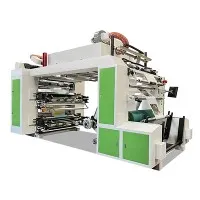
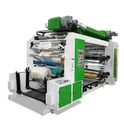
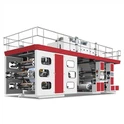
As a supplier of Paper Cup Flexo Printing Machines, enhancing the printing efficiency of these machines is not only crucial for our customers but also a core aspect of our product - driven philosophy. In this blog post, I will share several practical ways to boost the printing efficiency of a Paper Cup Flexo Printing Machine.
1. Proper Machine Setup
The initial setup of the Paper Cup Flexo Printing Machine significantly affects its printing efficiency. First, ensure accurate cylinder installation. The anilox roller, printing plate cylinder, and impression cylinder must be precisely aligned. Misaligned cylinders can lead to uneven ink transfer, print quality issues, and wasted time on re - printing. Regularly check and adjust the cylinder tension to maintain consistent printing pressure across the print area.
Secondly, set the correct ink viscosity. Ink that is too thick may not flow smoothly through the anilox roller, causing inconsistent ink coverage. On the other hand, overly thin ink can result in a lack of color density. Use a viscosity cup to measure the ink viscosity and make adjustments as needed. A well - adjusted ink system ensures uniform ink transfer, reducing the need for re - runs.
2. Optimal Selection of Printing Plates
The quality and type of printing plates play a vital role in printing efficiency. High - resolution plates can reproduce fine details more accurately, eliminating the need for multiple print passes. For Paper Cup Flexo Printing Machines, Flexo Printing Machine are a great choice. They can be produced more quickly and with greater precision compared to traditional photopolymer plates.
When selecting a plate vendor, look for one with a proven track record of quality and reliability. A good - quality plate has better wear resistance, which means it can maintain sharp image quality over a longer period. This reduces the frequency of plate replacement, saving both time and cost.

3. Staff Training
Well - trained operators are essential for maximizing the efficiency of a Paper Cup Flexo Printing Machine. Provide comprehensive training programs for your operators, covering machine operation, maintenance, and troubleshooting. Operators should be proficient in tasks such as loading and unloading printing plates, adjusting the ink system, and performing routine maintenance checks.
Regularly update the training curriculum to incorporate new technologies and best practices. This can include training on the latest machine software upgrades, which may offer features like automatic registration adjustment and real - time monitoring of printing parameters. A skilled workforce can detect and resolve issues promptly, minimizing downtime and increasing overall printing efficiency.
4. Preventive Maintenance
Regular preventive maintenance is key to keeping the Paper Cup Flexo Printing Machine in optimal working condition. Create a detailed maintenance schedule that includes daily, weekly, monthly, and annual tasks. Daily tasks can involve cleaning the ink ducts and wiping down the printing cylinders to remove any ink residues.
Weekly maintenance might include checking the drive belts for wear and tear and lubricating moving parts. Monthly tasks could involve inspecting the electrical components and checking the hoses for leaks. Annual maintenance should be more comprehensive, such as overhauling the ink pump and calibrating the machine's sensors.
By proactively addressing potential issues through preventive maintenance, you can avoid costly breakdowns and unplanned downtime. This ensures that the printing process runs smoothly and efficiently.
5. Use of High - Quality Consumables
In addition to printing plates, the quality of other consumables like ink and cleaning agents also affects printing efficiency. High - quality inks dry faster and produce more vibrant colors, reducing the drying time between print passes. This allows for a higher throughput of paper cups.
Similarly, using proper cleaning agents can effectively remove ink residues from the machinery. This not only extends the lifespan of the machine components but also helps to maintain consistent print quality. Low - quality cleaning agents may leave behind residues or cause damage to the sensitive parts of the machine, leading to reduced efficiency.
6. Automation and Software Integration
Modern Paper Cup Flexo Printing Machines can be equipped with advanced automation and software features. Automated registration systems can quickly and accurately align the printing plates, reducing the setup time for each new job. Real - time monitoring software allows operators to track key printing parameters such as ink flow rate, printing speed, and temperature.
These software tools can also generate detailed reports on printing performance, helping to identify areas for improvement. For example, if the system detects a consistent decrease in printing speed in a particular section of the machine, it can signal the need for maintenance or adjustment. By leveraging automation and software integration, you can streamline the printing process and increase overall efficiency.
7. Production Planning
Effective production planning is crucial for optimizing the printing efficiency of a Paper Cup Flexo Printing Machine. Group similar print jobs together based on factors such as paper cup size, printing colors, and design complexity. This reduces the time spent on machine setup and changeovers.
For instance, if you have a series of orders for small - sized paper cups with a similar color scheme, processing them consecutively can save time on adjusting the printing cylinders and ink systems. Additionally, plan for buffer time to account for any unexpected issues that may arise during the printing process, such as machine breakdowns or quality control rejections.
Video introduction
Comparison with Other Flexo Printing Machines
While our focus is on Paper Cup Flexo Printing Machines, it's also interesting to compare them with other types of flexo printing machines. For example, the Woven Sack Flexo Printing Machine is designed for printing on woven sacks, which have a different surface texture and material properties compared to paper cups. The printing requirements for woven sacks may involve different types of inks and plate materials.
The Drum Flexo Printing Machine has a different mechanical structure and is often used for printing on various flexible materials. Compared to the Paper Cup Flexo Printing Machine, it may have different speed capabilities and printing precision.
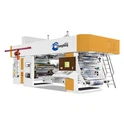
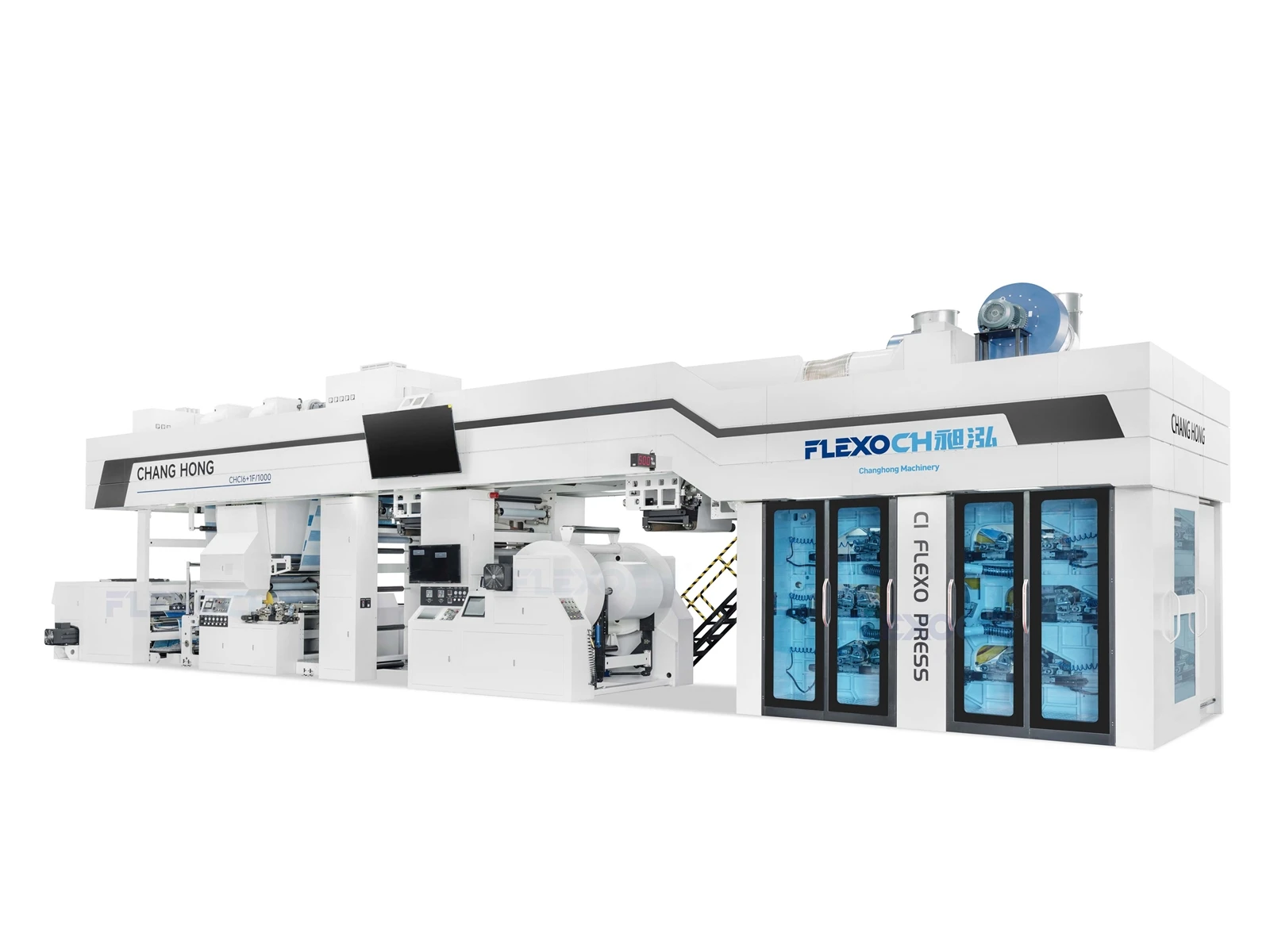
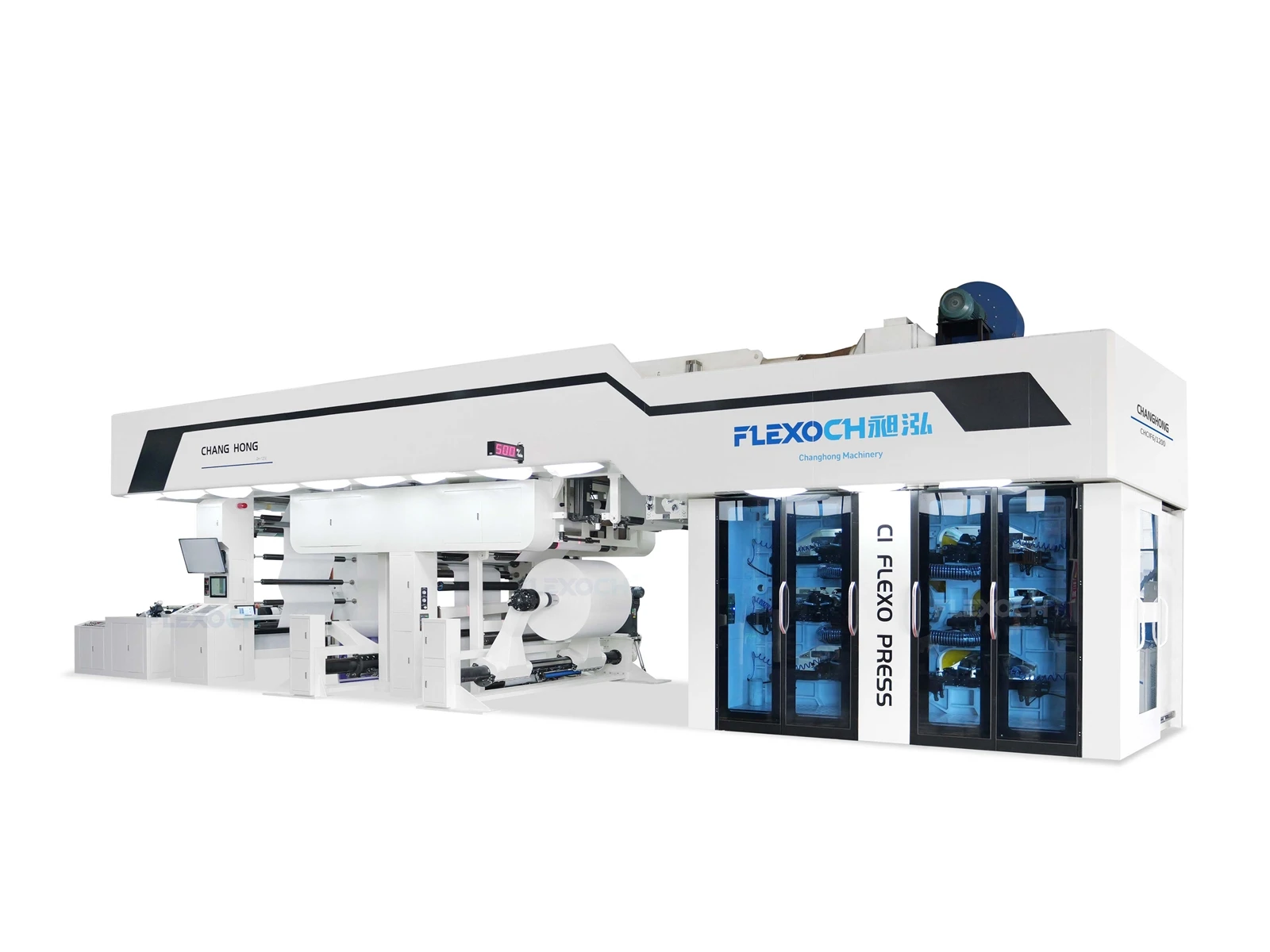
The Central Impression Flexo Press is a high - end flexo printing solution that offers excellent registration accuracy and high - speed printing. However, it may be more complex to operate and maintain compared to the Paper Cup Flexo Printing Machine.
Conclusion
Improving the printing efficiency of a Paper Cup Flexo Printing Machine is a multi - faceted task that involves proper machine setup, optimal selection of printing plates, staff training, preventive maintenance, use of high - quality consumables, automation and software integration, and effective production planning. By implementing these strategies, our customers can achieve higher throughput, better print quality, and reduced operating costs.
If you are interested in our Paper Cup Flexo Printing Machines or would like to learn more about how to optimize their printing efficiency, we are more than happy to have in - depth discussions with you. We invite you to contact us for procurement and negotiation to explore how our solutions can meet your specific printing needs.
References
- "Flexographic Printing: Principles and Practices" by Rosenthal, A.
- "Handbook of Print Media: Technologies and Production Methods" by W. R. Newhall