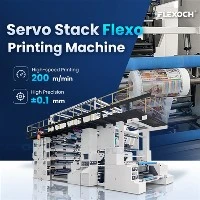
In the world of packaging and label printing, inline flexo printing has emerged as a revolutionary method known for its efficiency and versatility. As an inline flexo supplier, we understand that the key to achieving high - quality prints in inline flexographic printing lies in precise control over various parameters, and ink viscosity is one of the most critical factors. This blog will delve into the intricacies of how to adjust ink viscosity in inline flexo printing to ensure optimal print results.
Understanding the Importance of Ink Viscosity in Inline Flexo Printing
Ink viscosity refers to the resistance of an ink to flow. In inline flexo printing, maintaining the right viscosity is crucial for several reasons. First, it affects the transfer of ink from the anilox roll to the printing plate and then to the substrate. If the viscosity is too high, the ink may not transfer smoothly, leading to poor print quality with uneven coverage, missed dots, or excessive build - up on the plate. On the other hand, if the viscosity is too low, the ink may spread too much, causing blurred images, color bleeding, and difficulties in achieving sharp details.
Moreover, proper ink viscosity is essential for consistent color reproduction. Different viscosities can change the color appearance of the printed image, as the amount of ink transferred and its distribution on the substrate vary. In a production environment, where color matching is often a strict requirement, controlling ink viscosity becomes even more vital.


Factors Affecting Ink Viscosity
Before we discuss how to adjust ink viscosity, it's important to understand the factors that can influence it. Temperature is one of the most significant factors. As the temperature rises, the ink becomes less viscous and flows more easily. Conversely, in colder environments, the ink thickens, increasing its viscosity. Humidity can also have an impact, especially on water - based inks, as it can cause the ink to absorb or lose moisture, altering its viscosity.
The type of ink and its formulation play a role as well. Solvent - based, water - based, and UV - curable inks have different viscosity characteristics. For example, solvent - based inks tend to have lower viscosities initially but can change rapidly as the solvent evaporates. Additionally, the age of the ink and its storage conditions can affect its viscosity over time.
Measuring Ink Viscosity
Accurate measurement is the first step in adjusting ink viscosity. There are several tools available for measuring ink viscosity in an inline flexo printing setup. One of the most common is the Zahn cup. This simple device consists of a small cup with a precisely sized orifice at the bottom. The operator fills the cup with ink and then measures the time it takes for the ink to flow out through the orifice. The time in seconds is then correlated to the viscosity of the ink.
Another option is a viscometer. There are different types of viscometers, such as rotational viscometers, which measure the torque required to rotate a spindle in the ink sample. These devices provide more accurate and consistent measurements compared to Zahn cups, especially for inks with non - Newtonian flow properties.

Adjusting Ink Viscosity
Once the ink viscosity has been measured, adjustments can be made based on whether the viscosity is too high or too low.
When Viscosity is Too High
If the ink viscosity is too high, it is often necessary to thin the ink. The method of thinning depends on the type of ink. For solvent - based inks, adding the appropriate solvent is the most common approach. However, it's important to use the correct solvent recommended by the ink manufacturer, as using the wrong one can affect the ink's drying properties, color, and adhesion.
For water - based inks, water can be added to reduce viscosity. But be cautious not to add too much water, as it can dilute the color and affect the stability of the ink. Some water - based inks may also require the addition of special additives to maintain the right balance of properties after thinning.
In the case of UV - curable inks, adding a reactive diluent can help lower the viscosity. These diluents are designed to chemically react during the curing process and do not evaporate like solvents, ensuring that the ink retains its integrity.
When Viscosity is Too Low
If the ink viscosity is too low, you need to thicken it. For solvent - based inks, allowing some of the solvent to evaporate can increase the viscosity. This can be done by leaving the ink container open for a short period or using a ventilation system in the printing area.
For water - based inks, adding a small amount of thickening agent can be effective. These agents are typically gums or polymers that increase the ink's resistance to flow. However, it's crucial to add them in small increments and re - measure the viscosity after each addition to avoid over - thickening.
For UV - curable inks, increasing the resin content can raise the viscosity. This may involve adding a small amount of the resin component of the ink formulation, but it should be done carefully to maintain the correct curing properties.
Maintaining Consistent Ink Viscosity in an Inline Flexo Printing Process
In a continuous inline flexo printing operation, maintaining consistent ink viscosity is essential for maintaining high - quality prints. Here are some strategies:
- Temperature Control: Implement a temperature - control system in the printing area. This can include air conditioning or heating units to keep the temperature within a narrow range. For the ink itself, using an ink temperature control unit can ensure that the ink remains at a constant temperature throughout the printing process.
- Ink Circulation: Set up an ink circulation system in the ink fountain. Constant circulation helps to prevent the ink from separating and settling, which can lead to inconsistent viscosity. It also ensures that any additives or solvents are evenly distributed in the ink.
- Regular Monitoring: Continuously monitor the ink viscosity using a reliable measurement tool. Establish a schedule for viscosity checks, especially during long - run printing jobs. This allows you to make timely adjustments and prevent any issues from occurring.
Choosing the Right Inline Flexo Equipment for Viscosity Control
As an inline flexo supplier, we recommend investing in high - quality equipment that is designed to work in harmony with your ink viscosity control efforts. For example, modern inline flexo printing machines often come with advanced ink management systems that can automatically adjust the ink flow and mixing ratios based on real - time viscosity measurements.
When looking for an inline flexo solution, consider machines that offer precise control over ink anilox roll selection. The anilox roll's cell volume and geometry can have a significant impact on ink transfer, and choosing the right one can help compensate for minor variations in ink viscosity.
If you are involved in printing paper bags, a Paper Bag Flexo Printing Machine from our product range can provide excellent performance, with features that support optimal ink viscosity management. These machines are engineered to handle different types of inks and substrates, ensuring consistent print quality even when dealing with viscosity challenges.
Conclusion: Unlocking the Potential of Inline Flexographic Printing
Adjusting ink viscosity in inline flexo printing is a complex but essential process that can significantly impact the quality of your prints. By understanding the factors that affect viscosity, accurately measuring it, and making the right adjustments, you can achieve consistent, high - quality results in your printing operations.
As an experienced inline flexo supplier, we are committed to providing you with the knowledge, equipment, and support you need to succeed in the world of inline flexographic printing. Whether you are a small - scale printer or a large - scale packaging manufacturer, our products and solutions are designed to meet your specific requirements.
If you are interested in learning more about our inline flexo printing machines or need help with ink viscosity control, we invite you to contact us for a detailed discussion. Our team of experts is ready to assist you in optimizing your printing process and achieving the best possible results.


References
- "Flexographic Printing Technology" by the Flexographic Technical Association
- "Ink Technology for Graphic Arts" by various industry experts in ink formulation
- Manufacturer's guidelines for inline flexo printing machines and inks