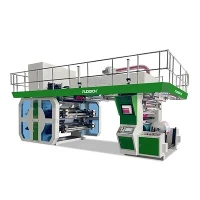
In the dynamic landscape of the printing industry, the question of whether CI presses can be effectively used for small - scale production is a topic of significant interest. As a supplier of CI presses, I have witnessed firsthand the diverse needs of our clients, ranging from large - scale manufacturers to small - business owners. In this blog, we will explore the viability of CI presses for small - scale production, weighing the pros and cons, and understanding the unique requirements of this segment.
Understanding CI Presses
CI presses, or Central Impression presses, are a type of flexographic printing press. They are characterized by a large central impression cylinder around which multiple printing units are arranged. This design offers several advantages, such as high - quality printing, precise registration, and the ability to print on a wide range of substrates, including paper, plastic, and cardboard.
The key features of CI presses include:
- High - speed printing: CI presses can achieve high production speeds, which is beneficial for both large - and small - scale operations.
- Excellent print quality: The central impression cylinder ensures consistent pressure across the print surface, resulting in sharp and vibrant prints.
- Versatility: They can handle different types of inks and substrates, making them suitable for various printing applications.
Advantages of CI Presses for Small - Scale Production
Cost - effectiveness
One of the primary advantages of using CI presses for small - scale production is cost - effectiveness. While the initial investment in a CI press may be relatively high, the long - term savings can be significant. CI presses are known for their efficient use of ink and materials. They can print with high precision, reducing waste and minimizing the cost per print. Additionally, the high - speed operation of CI presses means that small - scale producers can complete jobs quickly, increasing productivity and potentially reducing labor costs.
Quality and Flexibility
Small - scale producers often need to offer high - quality prints to compete in the market. CI presses are capable of producing prints with excellent color accuracy and sharpness. They can handle a variety of substrates, allowing small - scale businesses to offer a diverse range of products. For example, a small - scale packaging manufacturer can use a CI press to print on different types of packaging materials, such as Pp Woven Bag Flexo Printing Machine or paper - based packaging.
Quick Setup and Changeover
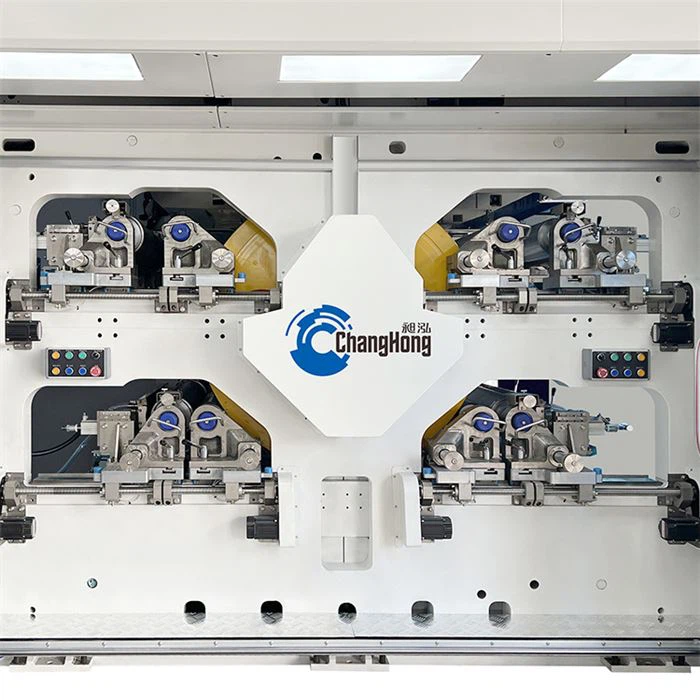
In small - scale production, the ability to quickly set up and change over between jobs is crucial. CI presses are designed for easy setup and changeover. The modular design of the printing units allows for rapid replacement of plates and inks, reducing downtime between jobs. This flexibility enables small - scale producers to respond quickly to customer demands and handle a variety of short - run jobs.
Challenges of Using CI Presses for Small - Scale Production
Initial Investment
The high initial cost of CI presses can be a significant barrier for small - scale producers. The purchase price of a CI press, along with the cost of installation and training, can be substantial. However, it's important to consider the long - term benefits and potential return on investment. Many suppliers offer financing options or leasing programs to help small - scale businesses manage the upfront costs.
Maintenance and Technical Expertise
CI presses require regular maintenance to ensure optimal performance. Small - scale producers may not have in - house technical expertise to handle complex maintenance tasks. This can lead to additional costs if they need to hire external technicians. However, many CI press suppliers offer comprehensive maintenance and support services, which can help alleviate this concern.

Real - World Examples
Let's look at some real - world examples of small - scale businesses that have successfully used CI presses. A small - scale label printing company decided to invest in a High Speed Flexo Printing Machine. By using the CI press, they were able to produce high - quality labels with fast turnaround times. The press's high - speed operation allowed them to handle a large volume of orders, even though they were a small business. They also benefited from the press's ability to print on different types of label materials, expanding their product offerings.
Another example is a small - scale packaging manufacturer that used a Paper Gearless Flexo Printing Press. The press's versatility allowed them to print on various paper - based packaging materials, such as boxes and bags. They were able to offer customized printing solutions to their customers, which helped them stand out in the market.
Making the Decision
When considering whether CI presses are suitable for small - scale production, several factors need to be taken into account. First, assess your production volume and the types of products you want to print. If you have a high - volume demand for high - quality prints on a variety of substrates, a CI press may be a good investment. Second, consider your budget and financial capabilities. Look into financing options and leasing programs to make the initial investment more manageable. Third, evaluate your technical support needs. Ensure that you have access to reliable maintenance and support services.
Conclusion
In conclusion, CI presses can be a viable option for small - scale production. They offer cost - effectiveness, high - quality printing, and flexibility. While there are challenges such as the initial investment and maintenance requirements, these can be overcome with careful planning and the right support. If you are a small - scale producer looking to enhance your printing capabilities and offer high - quality products, a CI press may be the solution you are looking for.
If you are interested in learning more about our CI presses or have any questions regarding small - scale production, we invite you to contact us for a detailed discussion. Our team of experts is ready to assist you in finding the right printing solution for your business.
References
- Flexographic Printing Technical Association (FPTA) publications on CI presses.
- Industry reports on small - scale printing production trends.