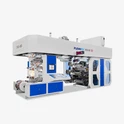
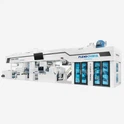
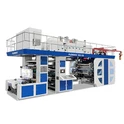
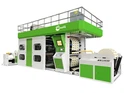
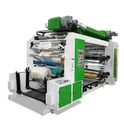
As a supplier of PE Film Printing Machines, one question that frequently arises from our clients is whether our machines can print on PE films with different melting points. This is a crucial query, as the melting point of a PE film can significantly impact the printing process. In this blog post, I'll delve into this topic, exploring the factors at play and how our machines are designed to handle PE films with varying melting points.
Understanding PE Films and Their Melting Points
PE, or polyethylene, is a widely used plastic polymer known for its versatility and durability. There are different types of PE films, such as low - density polyethylene (LDPE), linear low - density polyethylene (LLDPE), and high - density polyethylene (HDPE). Each type has a distinct melting point range:
- LDPE typically has a melting point between 105°C and 115°C.
- LLDPE has a melting point around 120°C to 125°C.
- HDPE has a relatively higher melting point, usually between 125°C and 135°C.
These differences in melting points are due to variations in the molecular structure of each type of PE. For example, HDPE has a more linear and closely packed molecular structure compared to LDPE, which results in stronger intermolecular forces and a higher melting point.
The Impact of Melting Point on Printing
The melting point of a PE film is a critical factor in the printing process. During printing, heat is often generated, either through the friction of the printing mechanism or the drying process of the ink. If the temperature generated during printing exceeds the melting point of the PE film, it can lead to several problems:
- Deformation: The film may start to melt or deform, resulting in a distorted print image. This can make the printed text or graphics unreadable or aesthetically unappealing.
- Adhesion issues: The ink may not adhere properly to the melted film surface, leading to poor print quality, such as smudging or flaking of the ink.
- Machine damage: Melted PE can stick to the printing components, such as the printing plates or rollers, causing damage to the machine and increasing maintenance costs.
How Our PE Film Printing Machines Are Designed to Handle Different Melting Points
Our company has invested significant time and resources in developing PE Film Printing Machines that can accommodate PE films with different melting points. Here are some of the key features and technologies incorporated into our machines:
Temperature control system
Our machines are equipped with advanced temperature control systems that can precisely regulate the temperature during the printing process. These systems continuously monitor the temperature of the printing area and adjust the heat output accordingly. For example, when printing on a low - melting - point LDPE film, the machine will ensure that the temperature remains well below its melting point to prevent deformation.
Ink drying technology
We use state - of - the - art ink drying technology that minimizes the heat generated during the drying process. Instead of relying solely on high - temperature drying methods, our machines use a combination of air circulation and infrared drying, which can dry the ink quickly without overheating the PE film. This is especially important when printing on films with lower melting points.
Customizable settings
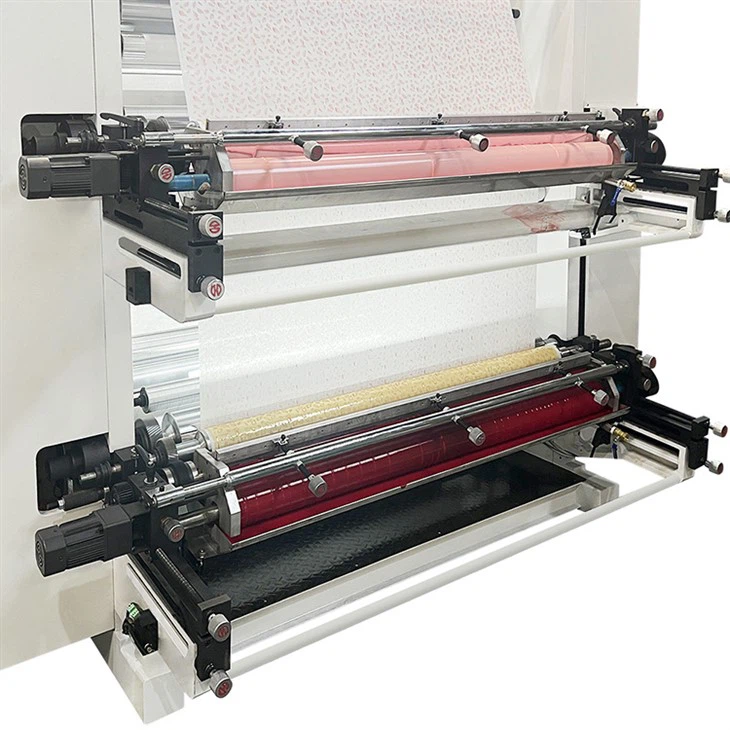
Our PE Film Printing Machines offer customizable settings that allow operators to adjust the printing parameters according to the specific melting point of the PE film. For instance, the speed of the printing process, the pressure applied during printing, and the intensity of the drying process can all be adjusted to ensure optimal print quality on different types of PE films.
Case Studies: Successful Printing on PE Films with Different Melting Points
To illustrate the effectiveness of our machines, let's look at some real - world case studies.
Case 1: Printing on LDPE films
A client who produces LDPE packaging films approached us with the need to print high - quality graphics on their products. Our technicians recommended using our Slitter Stack Type Flexo Printing Machine. By adjusting the temperature control settings and using our specialized ink drying technology, we were able to achieve excellent print quality without any deformation of the LDPE film. The client was highly satisfied with the results and has since placed multiple orders for our machines.
Case 2: Printing on HDPE films
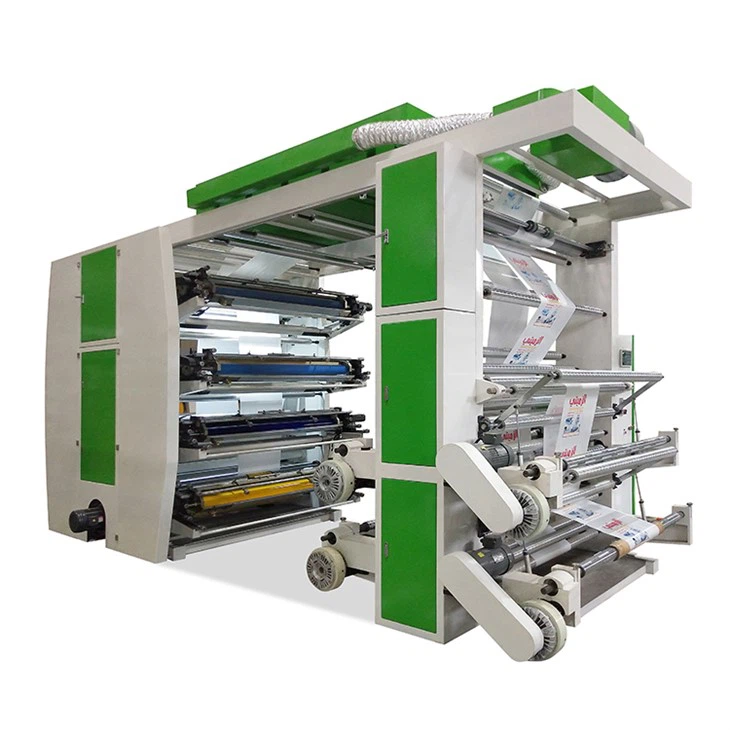
Another client in the agricultural sector required printing on HDPE mulch films. They needed to print crop - related information and branding on the films. We suggested our 8 Colour Flexo Printing Machine. The machine's ability to handle the higher melting point of HDPE was crucial in this case. By carefully adjusting the printing parameters, we were able to print sharp and durable images on the HDPE films, meeting the client's requirements.
Other Applications and Compatibility
In addition to different types of PE films, our machines are also compatible with a wide range of other materials. For example, our Non Woven Bag Flexo Printing Machine can be used to print on non - woven bags, which have different physical and chemical properties compared to PE films. This versatility makes our machines a valuable asset for businesses that deal with multiple types of packaging materials.
Conclusion
In conclusion, our PE Film Printing Machines are designed to print on PE films with different melting points. Through advanced temperature control systems, innovative ink drying technology, and customizable settings, we can ensure high - quality printing on a variety of PE films, from low - melting - point LDPE to high - melting - point HDPE.
If you are in the market for a PE Film Printing Machine or have any questions about printing on PE films with different melting points, we invite you to contact us for a detailed discussion. Our team of experts is ready to assist you in finding the best printing solution for your specific needs.
References
- Modern Plastics Encyclopedia. McGraw - Hill.
- Handbook of Plastic Films. William Andrew Publishing.