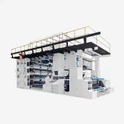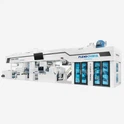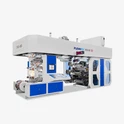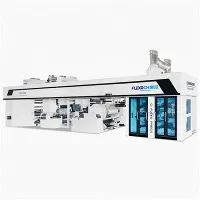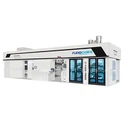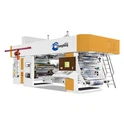
CI flexo (Central Impression) and stack press (Stack Press) are the two main types of flexographic printing machines, and there are significant differences between the two in terms of structure, performance, and application scenarios. The following is a comparative analysis of the differences between the two from multiple dimensions:
Structure and LayoutCI Flexo:
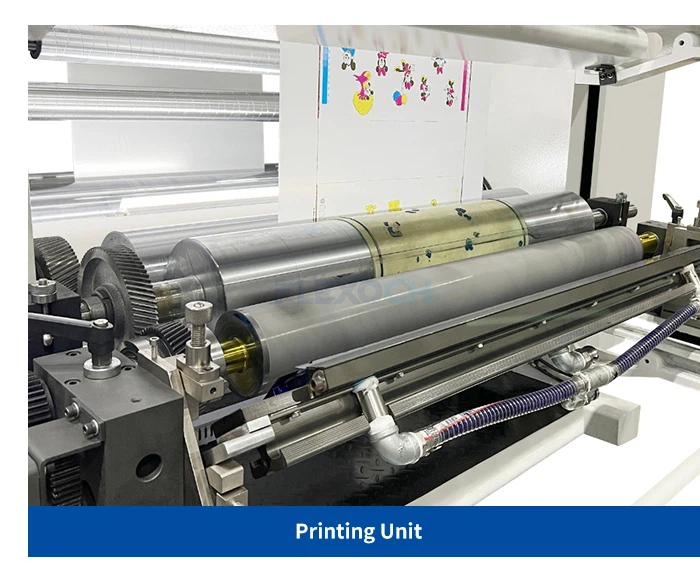
Central Impression Cylinder Structure: All printing units are arranged around a central impression cylinder, and each color group prints the material in turn.
High Overprint Accuracy: The material always fits the central cylinder during the impression process, and the overprint accuracy can reach ±0.05mm, which is suitable for high-precision printing.
Stack Flexo:
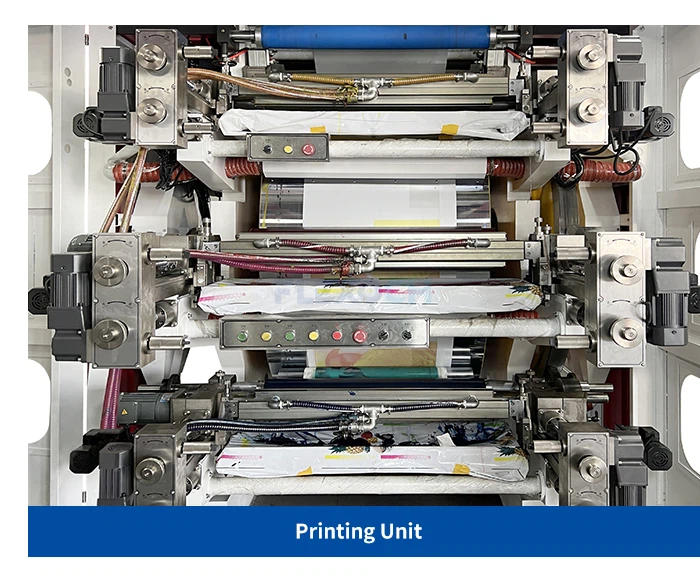
Stacked Structure: Each printing unit is stacked vertically, and the material passes through each color group in turn.
High Flexibility: The position of each color group can be adjusted independently to adapt to different materials and printing needs.
Printing Quality and PrecisionCI Flexo:
High-Precision Printing: The central impression roller ensures material stability, suitable for fine dots, gradients, and high-precision pattern printing.
Color Consistency: Each color group surrounds the central roller, and the ink layer thickness and color consistency are better.
Stacked Flexo:
Slightly Lower Precision: The material may produce a slight displacement when it is transferred between the color groups, and the overprint accuracy is usually ±0.1mm.
Suitable for Large Color Block Printing: The stacked structure facilitates the adjustment of the ink layer thickness, suitable for solid color blocks and thick lines.
Production Efficiency and SpeedCI Flexo:
High-Speed Printing: Because the material fits the central roller, the printing speed can reach 300-500 meters/minute.
Continuous Production: Suitable for long-run jobs and high-speed production requirements.
Stacked Flexo:
Low Speed: The stacked structure limits the printing speed, usually 100-300 meters/minute.
Flexible Plate Change: Each color group is independent, and plate change and adjustment are more convenient, suitable for short-run jobs and frequent plate change requirements.
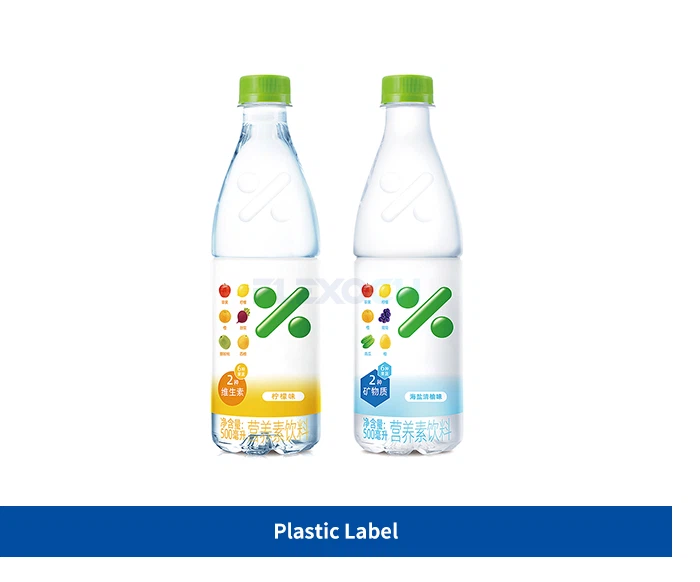
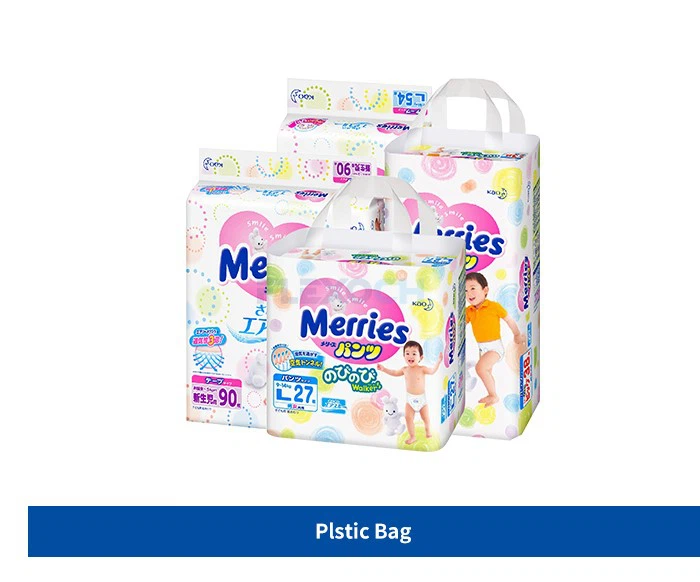
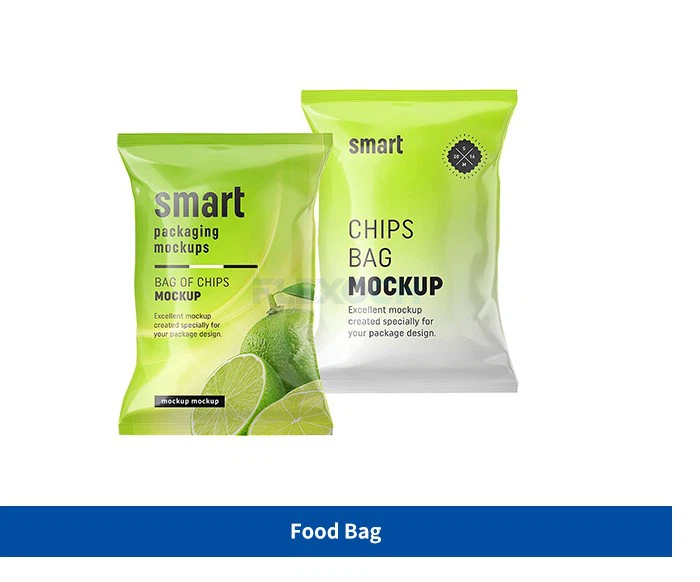
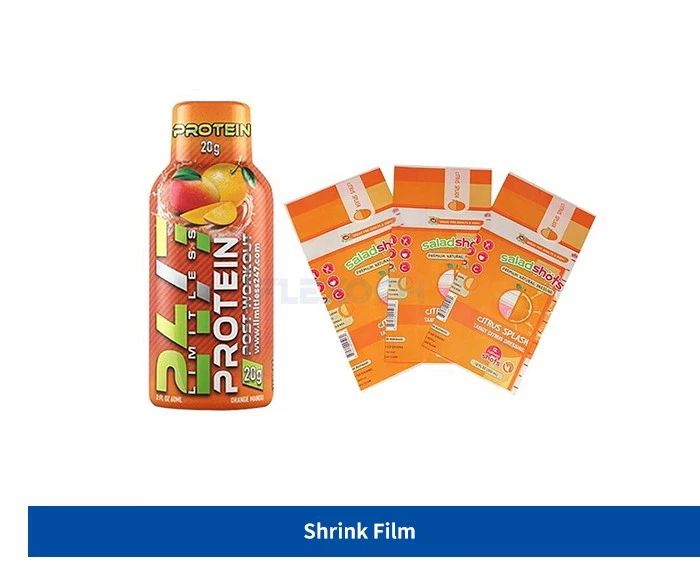
CI Flexo Printing Sample
Applicable MaterialsCI Flexo:
Thin Materials: Such as film, label paper, etc. The material is attached to the center roller to avoid wrinkling and deformation.
Stacked Flexo:
Thick Materials: Such as cardboard, corrugated paper, etc. The stacking structure can withstand greater pressure and is suitable for thick material printing.
Cost and InvestmentCI Flexo:
High Investment: The equipment structure is complex, the precision is high, and the price is relatively expensive.
Low Operating Cost: High precision and stability reduce the scrap rate and reduce long-term costs.
Stacked Flexo:
Low Investment: Simple structure, relatively cheap price.
High Operating Cost: Long plate change and adjustment time, which may increase the scrap rate.
Application AreasCI Flexo:
High-End Packaging: Such as pharmaceutical packaging, cosmetics labels, food packaging, etc., require high precision and color consistency.
Film Printing: Such as plastic film, shrink film, etc., suitable for high-speed printing of thin materials.
Stacked Flexo:
Ordinary Packaging: Such as cartons, paper boxes, ordinary labels, etc., suitable for printing with medium and low precision requirements.
Short Run Jobs: Such as samples and small batch orders, flexible version change, suitable for quick adjustment.
Stack Flexo Printing Sample


Video Introduction
The following is the workflow of an ci flexo printing machine.
The following is the workflow of an stack flexo printing machine.