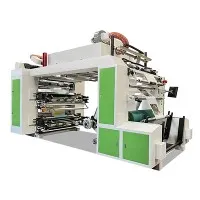
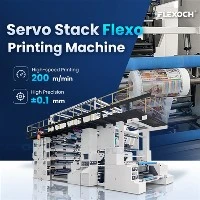
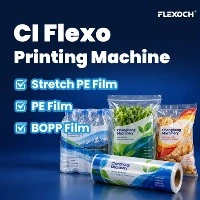
Hey there! As a supplier of Paper Cup Flexo Printing Machines, I'm super stoked to break down the working principle of these amazing pieces of equipment. Flexo printing is a widely used method in the packaging industry, and paper cup flexo printing machines play a crucial role in creating those eye - catching designs on your favorite coffee cups.
Let's start with the basics. Flexo printing is a form of relief printing. In simple terms, it's like using a rubber stamp, but on a much larger and more sophisticated scale. The main components of a paper cup flexo printing machine include an unwinding unit, printing units, a drying system, and a rewinding or cutting unit.
Unwinding Unit
The process kicks off at the unwinding unit. Here, a large roll of paper, which is going to be turned into paper cups later, is loaded onto the machine. The paper roll is held in place and slowly unwound. The key here is to ensure a consistent and smooth feed of the paper. If the paper is fed too fast or too slow, it can mess up the printing quality. There are tension control systems in place to keep the paper at the right tightness as it moves through the machine. This is super important because if the paper is too loose, it can wrinkle, and if it's too tight, it might tear.
Printing Units
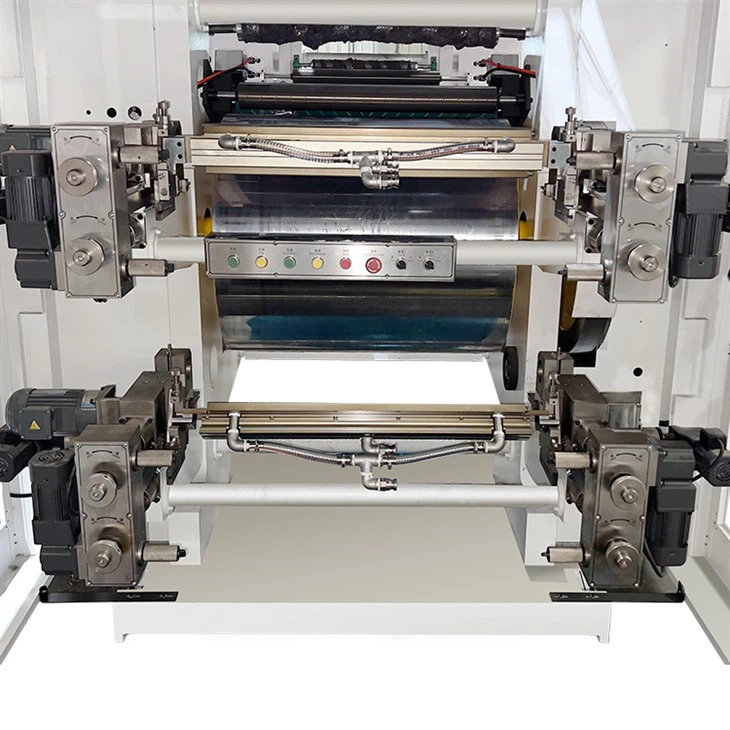
Now, let's talk about the heart of the machine - the printing units. Most paper cup flexo printing machines have multiple printing units, usually ranging from 4 to 8, or even more depending on the complexity of the design. Each printing unit is responsible for applying a different color.
In each printing unit, there's a printing plate. These plates are made of a flexible material, usually rubber or photopolymer. The design to be printed is engraved or etched onto the surface of the plate. The plate is mounted on a cylinder. There's also an anilox roller. The anilox roller is a metal roller with tiny cells on its surface. These cells are what hold the ink.
The ink is stored in an ink fountain. A doctor blade is used to scrape off the excess ink from the anilox roller, leaving only the ink inside the cells. As the anilox roller rotates, it transfers the ink from its cells to the printing plate. The printing plate, which has the raised image of the design, then transfers the ink onto the paper as it passes between the printing plate cylinder and an impression cylinder. The impression cylinder presses the paper against the printing plate, ensuring that the ink is properly transferred.
This process is repeated for each color in the design. For example, if you're printing a paper cup with a three - color logo, the paper will pass through three separate printing units, each applying a different color. The registration system in the machine ensures that each color is printed in the exact right position on the paper, so the final design looks sharp and accurate.
Drying System
After the paper passes through the printing units, it needs to be dried quickly. That's where the drying system comes in. There are different types of drying systems used in paper cup flexo printing machines. One common method is using hot air dryers. Hot air is blown over the printed paper, which helps to evaporate the solvents in the ink and dry it. Another option is using infrared (IR) dryers. IR dryers emit infrared radiation, which heats up the ink and dries it faster.
The drying process is crucial because if the ink isn't dried properly, it can smudge when the paper is further processed or when the cups are stacked. Also, proper drying ensures that the colors stay vibrant and don't fade over time.
Rewinding or Cutting Unit
Once the paper is printed and dried, it moves to the rewinding or cutting unit. If the paper is going to be used for further processing, like making paper cups, it might be rewound into a new roll. This roll can then be taken to another machine for cup - making.
On the other hand, if the printing is done on pre - cut paper sheets, the machine might have a cutting unit. The cutting unit will cut the printed paper into the right size and shape for the paper cups.
Advantages of Flexo Printing for Paper Cups
There are several reasons why flexo printing is so popular for paper cups. First of all, it's a very cost - effective method, especially for large - scale production. The printing plates are relatively inexpensive to make, and the setup time is short. This means that you can start printing your designs quickly and at a low cost per unit.
Flexo printing also offers high - quality results. The flexible printing plates can conform to the shape of the paper, which allows for sharp and detailed prints. You can print all sorts of designs, from simple logos to complex patterns and images.
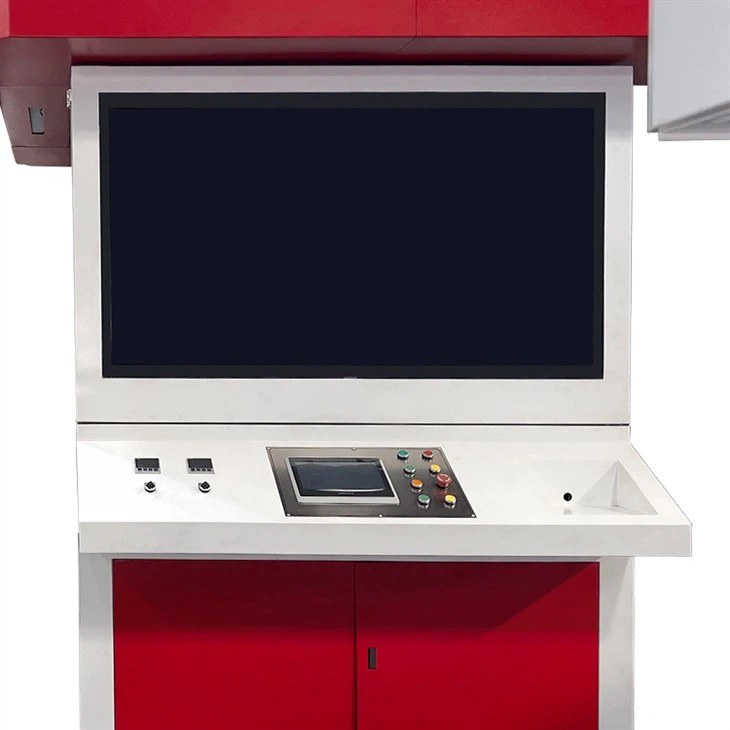
Another great thing about flexo printing is its versatility. You can use different types of inks, including water - based, solvent - based, and UV - curable inks. Water - based inks are environmentally friendly and are often used for food - contact applications like paper cups.
Related Products
If you're interested in other types of flexo printing machines, we also have some great options. Check out our Plastic Film Flexo Printing Machine, which is perfect for printing on plastic films. We also offer a Woven Sack Flexo Printing Machine for printing on woven sacks. And if you're into PP woven bags, our Pp Woven Bag Ci Printing Machine is a great choice.
Contact for Purchase
If you're in the market for a Paper Cup Flexo Printing Machine or any of our other products, don't hesitate to get in touch. Whether you're a small business just starting out or a large - scale manufacturer, we have the right machine for you. We can provide you with detailed information about our machines, including their features, specifications, and pricing. Let's have a chat and see how we can help you take your printing business to the next level.
References
- "Flexography: Principles and Practices" by the Flexographic Technical Association.
- "Printing Technology Handbook" edited by Helmut Kipphan.