Production efficiency is a key factor for the success of any manufacturing process, and inline flexo printing is no exception. As an inline flexo provider, we understand the challenges and opportunities that come with optimizing production efficiency in this field. In this blog post, we'll explore various strategies and best practices to enhance the efficiency of inline flexo printing operations.
Understanding Inline Flexo Printing
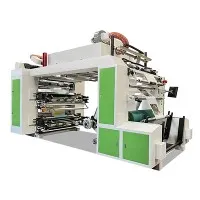
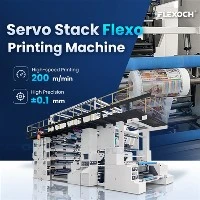
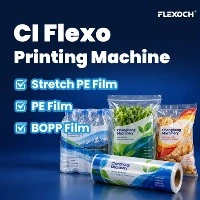
Inline flexo printing is a high - speed, continuous printing process commonly used for printing on flexible materials such as paper, cardboard, and plastic films. It involves a series of print units arranged in a line, where each unit can apply a different color or effect to the substrate. The process is highly versatile, allowing for quick job changes and high - quality printing on a wide range of products, from packaging materials to labels. To learn more about it, you can visit inline flexo.
Key Factors Affecting Production Efficiency
Equipment Maintenance
One of the most critical aspects of optimizing production efficiency is proper equipment maintenance. Regular maintenance ensures that the printing press operates at peak performance, reduces downtime due to breakdowns, and extends the lifespan of the machinery. For inline flexo printing presses, this includes routine cleaning of print cylinders, anilox rolls, and doctor blades. Over time, ink residues and debris can accumulate on these components, leading to poor print quality and reduced efficiency.
Lubrication of moving parts is also essential to prevent excessive wear and tear. For example, periodic oiling of gears, bearings, and chains helps keep the machine running smoothly. Additionally, it's important to conduct regular inspections of critical components such as belts, pulleys, and sensors to identify and address potential issues before they cause major problems.
Material Selection
The choice of substrates and inks can significantly impact production efficiency. When selecting substrates, consider factors such as printability, strength, and compatibility with the printing process. For instance, using a substrate with a smooth surface can improve ink transfer and reduce the chances of ink smudging or dot gain.
Inks should also be carefully chosen based on their viscosity, drying time, and colorfastness. Fast - drying inks can reduce the time required between printing runs, allowing for quicker production throughput. Some inks are formulated specifically for high - speed inline flexo printing, providing better adhesion and color consistency. You may want to explore options for inline flexographic printing to see how different materials interact with the process.
Operator Training
Well - trained operators are the backbone of an efficient inline flexo printing operation. Operators should be familiar with all aspects of the printing press, from basic machine setup to advanced troubleshooting. Training programs should cover topics such as cylinder mounting, ink mixing, and register control.
By providing comprehensive training, operators can make more informed decisions during the printing process, reducing the number of print rejects and minimizing downtime. For example, an experienced operator can quickly identify and correct issues with ink flow, ensuring consistent print quality and efficient production.
Strategies for Optimizing Production Efficiency
Job Planning and Scheduling
Effective job planning and scheduling can significantly improve production efficiency. Group similar jobs together to minimize the time required for setup changes. For example, if you have multiple jobs with the same color requirements or substrate types, print them consecutively to reduce the need for frequent adjustments to the printing press.
Use production management software to streamline the scheduling process. These tools can help you allocate resources effectively, monitor job progress, and identify potential bottlenecks in the production line. By having a clear overview of the production schedule, you can ensure that machines are running continuously and that jobs are completed on time.
Automation and Integration
Automation plays a crucial role in enhancing production efficiency in inline flexo printing. Automated systems can perform tasks such as ink mixing, registration control, and web guiding with greater precision and speed than manual operations. For example, an automated ink mixing system can ensure consistent ink formulations, reducing the likelihood of color variations between prints.
Integrating the printing press with other equipment in the production line, such as slitting and folding machines, can also improve efficiency. By creating a seamless workflow, you can eliminate manual handling steps and reduce the risk of errors. This integrated approach allows for faster production turnaround times and higher overall productivity.
Quality Control
Implementing a robust quality control system is essential for optimizing production efficiency. By detecting and correcting print defects early in the process, you can prevent the production of large quantities of rejected products. Use inline inspection systems to monitor print quality in real - time. These systems can detect issues such as missing colors, ink splatters, and registration errors, allowing operators to make immediate adjustments.
Establish quality standards and train operators to adhere to them. Regularly review and analyze quality control data to identify trends and areas for improvement. This continuous improvement approach helps to maintain high - quality prints and ensures that production runs smoothly.
Case Studies: Successful Efficiency Improvements
Let's look at a couple of real - world examples of how companies have optimized the production efficiency of their inline flexo printing operations.
Company A, a packaging manufacturer, was facing high production costs due to frequent setup changes and low - quality prints. By implementing a job planning system and providing extensive operator training, they were able to reduce setup times by 30% and decrease the rejection rate by 20%. This led to a significant increase in production throughput and a reduction in overall costs.
Company B, a label printer, invested in an automated ink mixing system and an inline inspection system. The automated ink mixing ensured consistent ink quality, while the inspection system detected print defects in real - time. As a result, they were able to increase their production speed by 25% and improve customer satisfaction by delivering higher - quality labels.
Conclusion
Optimizing the production efficiency of inline flexo printing requires a comprehensive approach that addresses equipment maintenance, material selection, operator training, job planning, automation, and quality control. By implementing these strategies, companies can reduce costs, increase production throughput, and improve the quality of their printed products.
As an inline flexo provider, we are committed to helping our customers achieve these goals. We offer a range of high - quality Paper Bag Flexo Printing Machine and related services to support your production needs. If you're interested in learning more about how we can help you optimize your inline flexo printing operations, please don't hesitate to contact us for a detailed discussion and potential procurement opportunities.


References
- "Flexography: Principles and Practices" by Timothy J. Hauser
- Journal of Graphic Arts Technology, various issues related to flexo printing
- Industry whitepapers on inline flexo printing optimization