As a supplier of Plastic Film Flexo Printing Machines, I often encounter questions from customers about the machine's capabilities, especially regarding its ability to print on plastic films with aluminum foil laminates. In this blog post, I'll delve into this topic, exploring the technical aspects, challenges, and considerations when using a flexo printing machine for such materials.
Understanding Flexo Printing
Flexography, commonly known as flexo printing, is a popular printing method used for a wide range of substrates, including plastic films. It involves using flexible relief plates to transfer ink onto the printing surface. The process is known for its high-speed printing capabilities, cost-effectiveness, and the ability to produce high-quality prints.
Flexo printing machines are designed to handle various types of inks, including solvent-based, water-based, and UV-curable inks. The choice of ink depends on the substrate, the desired print quality, and environmental considerations.
Printing on Plastic Films with Aluminum Foil Laminates
Plastic films with aluminum foil laminates are widely used in the packaging industry due to their excellent barrier properties, which help to protect the contents from moisture, oxygen, and light. However, printing on these materials presents some unique challenges.
One of the main challenges is the surface properties of the aluminum foil laminate. Aluminum foil has a smooth and non-porous surface, which can make it difficult for the ink to adhere properly. Additionally, the laminate structure can affect the ink transfer and drying process, leading to issues such as ink smudging, poor adhesion, and color bleeding.
Another challenge is the thickness and flexibility of the plastic film. Plastic films with aluminum foil laminates can vary in thickness and flexibility, which can affect the printing process. Thicker films may require more pressure and ink to achieve a good print quality, while thinner films may be more prone to wrinkling and tearing.

Technical Considerations
To overcome these challenges, several technical considerations need to be taken into account when using a Plastic Film Flexo Printing Machine to print on plastic films with aluminum foil laminates.
Ink Selection: Choosing the right ink is crucial for achieving good adhesion and print quality on aluminum foil laminates. Solvent-based inks are often preferred for their excellent adhesion properties, but they can also be more environmentally harmful. Water-based inks are a more eco-friendly alternative, but they may require additional drying time and may not adhere as well to the aluminum foil surface. UV-curable inks offer a good balance between adhesion and environmental friendliness, as they cure quickly and do not emit volatile organic compounds (VOCs).
Surface Treatment: Pretreating the aluminum foil surface can improve the ink adhesion. This can be done through corona treatment, which creates a rough surface on the aluminum foil, allowing the ink to adhere better. Other surface treatment methods, such as flame treatment and plasma treatment, can also be used.
Printing Pressure and Speed: Adjusting the printing pressure and speed is important to ensure proper ink transfer and prevent issues such as ink smudging and poor adhesion. The printing pressure should be set to a level that allows the ink to transfer evenly onto the substrate without causing excessive pressure on the film. The printing speed should also be adjusted to allow sufficient time for the ink to dry.
Drying System: A proper drying system is essential for ensuring that the ink dries quickly and completely on the aluminum foil laminate. This can be achieved through the use of hot air dryers, infrared dryers, or UV curing systems. The drying system should be adjusted to match the type of ink and the printing speed.
Video Introduction
Our Plastic Film Flexo Printing Machines
At our company, we offer a range of Plastic Film Flexo Printing Machines that are designed to handle various types of substrates, including plastic films with aluminum foil laminates. Our machines are equipped with advanced features and technologies to ensure high-quality printing and efficient operation.
One of our popular models is the Flexo Printing Machine For Paper Cup, which is suitable for printing on paper cups as well as plastic films. This machine features a high-speed printing system, precise registration control, and a user-friendly interface.
Another model is the 4 Color Flexo Printing Machine, which is ideal for printing on plastic films with multiple colors. This machine offers excellent color accuracy and consistency, thanks to its advanced ink supply system and printing head design.
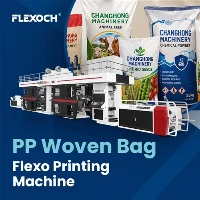
We also offer the Woven Sack Flexo Printing Machine, which is specifically designed for printing on woven sacks. This machine can also be used for printing on plastic films with aluminum foil laminates, providing a versatile solution for different printing needs.
Conclusion
In conclusion, a Plastic Film Flexo Printing Machine can print on plastic films with aluminum foil laminates, but it requires careful consideration of the technical aspects and challenges involved. By choosing the right ink, pretreating the surface, adjusting the printing pressure and speed, and using a proper drying system, it is possible to achieve high-quality prints on these materials.
If you are interested in purchasing a Plastic Film Flexo Printing Machine for printing on plastic films with aluminum foil laminates, please feel free to contact us for more information. Our team of experts will be happy to assist you in selecting the right machine for your specific needs and provide you with technical support and training.


References
- Smith, J. (2019). Flexography: Principles and Practices. John Wiley & Sons.
- Jones, A. (2020). Printing on Aluminum Foil Laminates: Challenges and Solutions. Packaging World.
- Brown, C. (2021). Advances in Flexo Printing Technology for Plastic Films. Printing News.