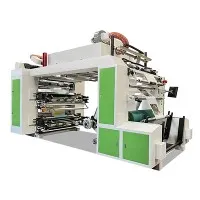
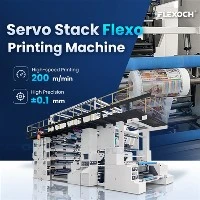
The four-color flexo printing machine is a remarkable piece of equipment in the printing industry, known for its versatility and efficiency. As a trusted supplier of four-color flexo printing machines, I am often asked whether these machines can print on different materials. In this blog post, I will delve into this question, exploring the capabilities of four-color flexo printing machines and their compatibility with various substrates.
Understanding Four-Color Flexo Printing
Before we discuss the materials that can be printed using a four-color flexo printing machine, it's essential to understand the basics of flexographic printing. Flexo printing is a form of relief printing that uses flexible printing plates made of rubber or photopolymer. These plates are mounted on rotating cylinders, and ink is transferred from an anilox roller to the raised areas of the plate, which then print the image onto the substrate.
A four-color flexo printing machine is designed to print using four primary colors: cyan, magenta, yellow, and black (CMYK). By combining these four colors in various proportions, a wide range of colors can be achieved, allowing for high-quality, full-color printing.
Compatible Materials for Four-Color Flexo Printing
One of the significant advantages of four-color flexo printing machines is their ability to print on a diverse range of materials. Here are some of the most common substrates that can be printed using these machines:
Paper and Cardboard
Paper and cardboard are classic materials for flexo printing. From newsprint to high-quality packaging cardboard, four-color flexo printing machines can produce vibrant and detailed prints on various paper grades. The porous nature of paper allows the ink to be quickly absorbed, resulting in sharp and clear images. This makes it ideal for applications such as newspaper inserts, flyers, and corrugated boxes.
Plastic Films
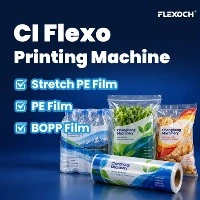
Plastic films are widely used in the packaging industry, and four-color flexo printing machines are well-suited for printing on them. Materials like polyethylene (PE), polypropylene (PP), and polyester (PET) can all be printed with high precision and color accuracy. For example, PE Film Printing Machine is specifically designed to handle PE films, providing excellent print quality for applications such as food packaging, labels, and shrink sleeves.


The smooth surface of plastic films requires special inks and printing techniques to ensure proper adhesion. Modern flexo inks are formulated to bond well with plastic substrates, and four-color flexo printing machines can be equipped with drying systems to accelerate the ink curing process.
Aluminum Foil
Aluminum foil is another popular material for packaging, especially in the food and pharmaceutical industries. Four-color flexo printing machines can print high-quality images and text on aluminum foil, enhancing its visual appeal and providing essential product information. The reflective surface of aluminum foil can create a unique visual effect, making the printed designs stand out.
Labels
Labels are used in a wide variety of industries, from consumer products to industrial equipment. Four-color flexo printing machines can produce high-quality labels on various materials, including paper, plastic, and even metalized substrates. The ability to print in four colors allows for the creation of eye-catching designs with detailed branding and product information. For example, the Slitter Stack Type Flexo Printing Machine is suitable for printing and slitting labels, providing a cost-effective solution for label production.
Factors Affecting Printing on Different Materials
While four-color flexo printing machines are capable of printing on a wide range of materials, several factors need to be considered to ensure optimal print quality. These factors include:
Material Surface Properties
The surface properties of the material, such as roughness, porosity, and surface energy, can significantly affect the printing process. For example, porous materials like paper can absorb ink quickly, while non-porous materials like plastic films require special inks and treatments to ensure proper adhesion.
Ink Compatibility
The choice of ink is crucial when printing on different materials. Inks need to be compatible with the substrate to ensure good adhesion, color reproduction, and durability. For plastic films, solvent-based or UV-curable inks are commonly used, while water-based inks are more suitable for paper and cardboard.
Printing Pressure and Speed
The printing pressure and speed need to be adjusted according to the material being printed. For example, softer materials may require lower printing pressure to avoid damage, while thicker materials may need higher pressure to ensure proper ink transfer. Similarly, the printing speed needs to be optimized to achieve the best print quality and productivity.
Advantages of Using a Four-Color Flexo Printing Machine on Different Materials
There are several advantages to using a four-color flexo printing machine for printing on different materials:
Versatility
The ability to print on a wide range of materials makes four-color flexo printing machines a versatile solution for various printing applications. Whether you need to print on paper, plastic, or aluminum foil, these machines can meet your requirements.
High-Quality Printing
Four-color flexo printing machines can produce high-quality prints with excellent color accuracy and detail. The use of four primary colors allows for a wide color gamut, resulting in vivid and realistic images.
Cost-Effectiveness
Flexo printing is a cost-effective printing method, especially for large-volume production. The relatively low cost of printing plates and the high printing speed make it an attractive option for many businesses.
Environmental Friendliness
Many modern flexo inks are water-based or UV-curable, which are more environmentally friendly than traditional solvent-based inks. This makes four-color flexo printing a greener option for printing on different materials.
Conclusion
In conclusion, a four-color flexo printing machine is a highly versatile piece of equipment that can print on a wide range of materials, including paper, plastic films, aluminum foil, and labels. By understanding the material properties, choosing the right ink, and adjusting the printing parameters, high-quality prints can be achieved on various substrates.
If you are in the market for a Plastic Film Printing Machine like a four-color flexo printing machine, I encourage you to reach out to us to discuss your specific printing needs. Our team of experts can provide you with detailed information and assistance to help you make the right decision. Whether you are looking to print on a single material or a variety of substrates, our four-color flexo printing machines can offer the solution you need.
References
- "Flexographic Printing Technology" by Philip L. Jackson
- "Handbook of Print Media: Technologies and Production Methods" edited by Helmut Kipphan