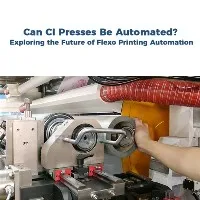
Selecting the appropriate anilox roller for a plastic film flexo printing machine is a crucial decision that significantly impacts the quality, efficiency, and cost - effectiveness of the printing process. As a supplier of plastic film flexo printing machines, I've witnessed firsthand how the right anilox roller can transform a printing operation, while the wrong one can lead to a host of problems. In this blog, I'll share some key considerations and guidelines to help you make an informed choice.
Understanding the Basics of Anilox Rollers
An anilox roller is a critical component in flexo printing. It is a cylindrical roller with a micro - engraved surface that consists of thousands of tiny cells. These cells hold and transfer the ink from the ink fountain to the printing plate. The size, shape, and density of these cells determine the amount of ink that can be carried and transferred, which in turn affects the print quality.
Factors to Consider When Selecting an Anilox Roller
1. Line Count
The line count of an anilox roller refers to the number of cells per linear inch. A higher line count means more cells per inch, resulting in smaller cells. High - line - count anilox rollers are suitable for printing fine details, such as text and halftones. For example, if you are printing a plastic film with high - resolution graphics and small text, a roller with a line count of 800 - 1200 lines per inch might be appropriate.
On the other hand, low - line - count anilox rollers have larger cells and are better for solid - color printing or printing with high - viscosity inks. If you are printing large areas of solid color on a plastic film, a roller with a line count of 200 - 400 lines per inch could be a better choice.
2. Cell Volume
Cell volume is another important factor. It is measured in cubic centimeters per square meter (cm³/m²). The cell volume determines the amount of ink that the roller can hold and transfer. A higher cell volume means more ink is transferred, which is beneficial for opaque inks or when a heavy ink deposit is required.
When selecting an anilox roller based on cell volume, you need to consider the type of ink you are using. Solvent - based inks typically require a lower cell volume compared to water - based inks because they have a lower viscosity. UV - curable inks also have different requirements, and you may need to work closely with your ink supplier to determine the optimal cell volume.
3. Ink Type
Different types of inks have different properties, such as viscosity, drying time, and solids content. These properties affect how the ink behaves in the anilox cells and how it is transferred to the printing plate.
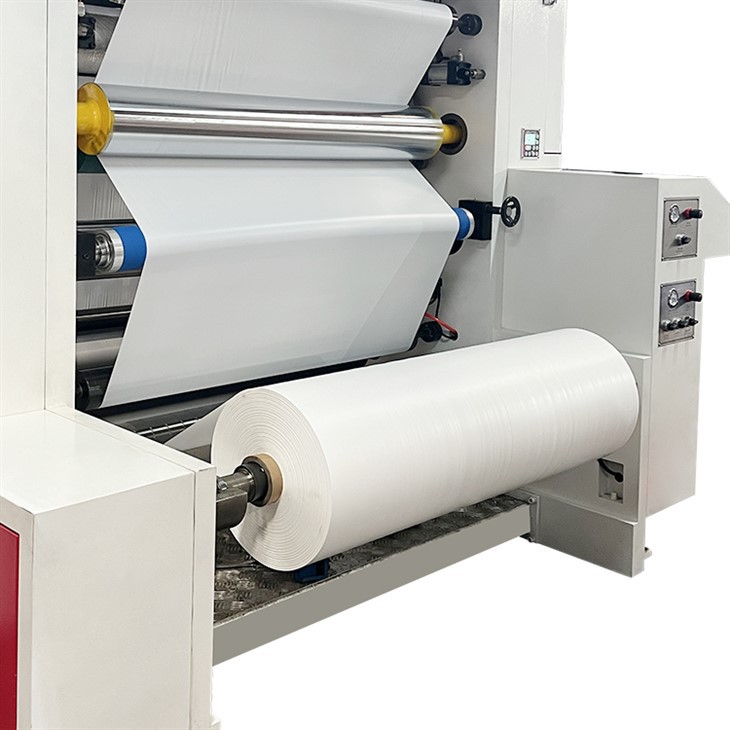

For example, water - based inks are environmentally friendly but tend to have a higher viscosity than solvent - based inks. They require an anilox roller with a larger cell volume to ensure proper ink transfer. UV - curable inks, which are cured by ultraviolet light, need an anilox roller that can provide a consistent and precise ink deposit to avoid issues with curing.
4. Printing Job Requirements
The nature of your printing job also plays a significant role in anilox roller selection. If you are printing a short - run job, you may want to choose an anilox roller that is more versatile and can be used for multiple types of printing. For long - run jobs, you can afford to invest in a more specialized anilox roller that is optimized for the specific requirements of the job.
If you are printing on different types of plastic films, such as polyethylene, polypropylene, or PVC, you need to consider the surface properties of the film. Some films have a smoother surface, which may require a different anilox roller compared to films with a more textured surface.
The Impact of Anilox Roller Selection on Print Quality
The right anilox roller can significantly improve print quality. A well - chosen roller ensures consistent ink transfer, which results in sharp images, accurate colors, and uniform coverage. It can also reduce problems such as ink starvation, where not enough ink is transferred to the printing plate, and ink spitting, where ink is ejected from the cells in an uncontrolled manner.
On the other hand, using the wrong anilox roller can lead to poor print quality. For example, if the line count is too low for a job that requires fine details, the text and graphics may appear blurry. If the cell volume is too high, it can cause over - inking, which can lead to smudging and poor adhesion of the ink to the plastic film.
Anilox Roller Selection for Different Types of Plastic Film Flexo Printing Machines
1. Pp Woven Bag Ci Printing Machine
When using a Pp Woven Bag Ci Printing Machine, the anilox roller selection depends on the type of printing required. Since pp woven bags often have large areas of solid color, a low - line - count anilox roller with a relatively high cell volume is usually preferred. This allows for a thick and even layer of ink to be applied to the rough surface of the woven bag.
2. 4 Color Flexo Printing Machine
A 4 Color Flexo Printing Machine is commonly used for printing multi - color graphics on plastic films. For this type of machine, you may need to use different anilox rollers for each color. The line count and cell volume should be selected based on the specific requirements of each color, such as whether it is a solid color, a halftone, or a fine detail.
3. Central Impression Flexo Printing Machine
The Central Impression Flexo Printing Machine offers high - quality printing with precise registration. When selecting an anilox roller for this machine, you need to ensure that the roller can provide consistent ink transfer across the entire width of the printing surface. A high - quality anilox roller with a uniform cell structure is essential to achieve excellent print quality on plastic films.
Maintenance and Care of Anilox Rollers
Proper maintenance and care of anilox rollers are essential to ensure their longevity and performance. Regular cleaning is necessary to prevent ink buildup in the cells, which can affect ink transfer and print quality. You should use a suitable cleaning solution and a soft brush to clean the roller gently.
In addition, it is important to store anilox rollers properly. They should be stored in a clean, dry environment and protected from damage. Regular inspection of the rollers can help detect any signs of wear or damage early, allowing for timely replacement.
Conclusion
Selecting the appropriate anilox roller for a plastic film flexo printing machine is a complex but essential process. By considering factors such as line count, cell volume, ink type, and printing job requirements, you can choose an anilox roller that will optimize the print quality, efficiency, and cost - effectiveness of your printing operation.
If you are in the market for a plastic film flexo printing machine or need advice on anilox roller selection, we are here to help. Our team of experts has extensive experience in the field and can provide you with the guidance and support you need to make the right choices for your business. Contact us today to start a discussion about your printing needs and how we can assist you in achieving the best results.
References
- "Flexographic Printing Technology" by Bill Brooks
- "The Anilox Handbook" by Tom Wegner
- Industry whitepapers on flexo printing and anilox roller technology