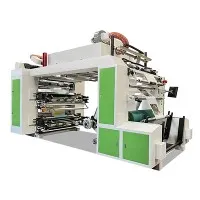
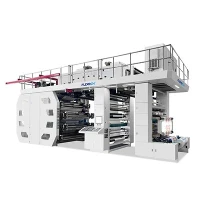
As a supplier of flexo printing presses, I understand the crucial role that anilox rolls play in the flexo printing process. Anilox rolls are responsible for transferring ink from the ink fountain to the printing plate, and their proper maintenance is essential for achieving high-quality prints consistently. In this blog post, I will share some best practices on how to maintain anilox rolls in a flexo printing press.
Understanding Anilox Rolls
Before delving into maintenance, it's important to understand what anilox rolls are and how they work. Anilox rolls are engraved cylinders with a pattern of cells that hold and transfer ink. The size, shape, and density of these cells determine the amount of ink transferred to the printing plate. Over time, these cells can become clogged with dried ink, debris, or other contaminants, which can affect the ink transfer and print quality.


Regular Cleaning
One of the most important aspects of anilox roll maintenance is regular cleaning. After each print run, the anilox roll should be thoroughly cleaned to remove any residual ink and debris. This can be done using a specialized anilox cleaning solution and a soft brush or a high-pressure cleaning system. It's important to follow the manufacturer's instructions when using cleaning solutions to avoid damaging the anilox roll.
For more heavy-duty cleaning, ultrasonic cleaning can be used. Ultrasonic cleaning uses high-frequency sound waves to create tiny bubbles in a cleaning solution, which helps to dislodge and remove stubborn contaminants from the anilox cells. This method is highly effective but should be used with caution to avoid damaging the roll.
Inspection
Regular inspection of anilox rolls is also crucial for maintaining their performance. Inspect the roll for signs of wear, damage, or clogging. Look for any visible scratches, dents, or uneven wear on the surface of the roll. If you notice any issues, it's important to address them promptly to prevent further damage and ensure consistent print quality.
You can use a microscope or a specialized anilox inspection tool to examine the cells of the roll. This will help you to identify any clogs or damage that may not be visible to the naked eye. If you find any clogged cells, you can use a cell cleaning tool or a chemical cleaner to remove the blockage.

Storage
Proper storage of anilox rolls is also important to prevent damage and maintain their performance. When not in use, anilox rolls should be stored in a clean, dry environment. They should be stored horizontally on a padded surface to prevent any deformation or damage to the roll. It's also important to cover the rolls to protect them from dust and other contaminants.
Handling
When handling anilox rolls, it's important to be careful to avoid any damage. Always use gloves when handling the rolls to prevent fingerprints and other contaminants from getting on the surface. Avoid dropping or hitting the rolls, as this can cause damage to the cells and affect the ink transfer.
Training
Proper training of your operators is essential for maintaining anilox rolls. Make sure your operators are familiar with the proper cleaning, inspection, and handling procedures for anilox rolls. Provide them with training on how to use the cleaning equipment and solutions effectively. This will help to ensure that the anilox rolls are maintained properly and that the print quality is consistent.
Choosing the Right Anilox Roll
Choosing the right anilox roll for your printing application is also important. The cell size, shape, and density of the anilox roll should be selected based on the type of ink, substrate, and printing requirements. A higher line screen anilox roll is typically used for fine detail printing, while a lower line screen roll is used for solid color printing.
As a flexo printing press supplier, we offer a wide range of anilox rolls to meet the needs of different printing applications. Our FFS Heavy-Duty Film Flexo Printing Machine is designed to work with high-quality anilox rolls to ensure consistent and high-quality prints. Our Paper Flexo Printing Machine and Central Impression Flexo Press also offer excellent performance and compatibility with different anilox rolls.


Conclusion
Maintaining anilox rolls in a flexo printing press is essential for achieving high-quality prints consistently. By following the best practices outlined in this blog post, you can ensure that your anilox rolls are clean, well-inspected, and properly stored. This will help to extend the lifespan of your anilox rolls and improve the overall performance of your flexo printing press.
If you are interested in learning more about our flexo printing presses and anilox rolls, or if you have any questions about anilox roll maintenance, please feel free to contact us. We are here to help you find the right solutions for your printing needs.
References
- Flexographic Printing Technical Association (FPTA)
- Anilox Roll Manufacturers Association (ARMA)