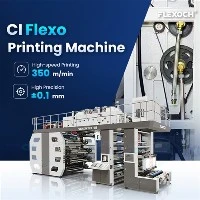
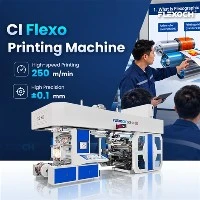
Flexo presses are widely used in the printing industry for their efficiency, versatility, and ability to print on a variety of substrates. However, like any complex machinery, they can encounter several common problems that may affect the quality of the print and the overall productivity of the operation. As a seasoned Flexo Press supplier, I have witnessed these issues firsthand and have developed effective solutions to address them. In this blog post, I will discuss some of the most prevalent problems with Flexo presses and provide practical tips on how to solve them.
1. Ink Transfer Issues
One of the most common problems with Flexo presses is poor ink transfer, which can result in uneven or incomplete printing. This issue can be caused by several factors, including incorrect ink viscosity, worn or damaged anilox rolls, and improper doctor blade settings.
Incorrect Ink Viscosity
Ink viscosity plays a crucial role in the ink transfer process. If the ink is too thick, it may not flow smoothly through the anilox roll and onto the printing plate, resulting in poor coverage. On the other hand, if the ink is too thin, it may spread too much and cause blurring or smudging.
Solution: Regularly monitor and adjust the ink viscosity using a viscometer. Follow the manufacturer's recommendations for the appropriate viscosity range for your specific ink and substrate. Additionally, ensure that the ink is properly mixed and agitated to maintain a consistent viscosity throughout the printing process.
Worn or Damaged Anilox Rolls
Anilox rolls are responsible for metering the ink onto the printing plate. Over time, these rolls can become worn or damaged, which can affect the ink transfer efficiency. Signs of worn anilox rolls include uneven ink distribution, reduced ink density, and visible scratches or grooves on the roll surface.
Solution: Inspect the anilox rolls regularly for signs of wear and damage. Replace any rolls that are worn beyond the recommended specifications. Additionally, use proper cleaning and maintenance procedures to extend the lifespan of the anilox rolls. This may include using a dedicated anilox cleaner and following a regular cleaning schedule.
Improper Doctor Blade Settings
The doctor blade is used to remove excess ink from the anilox roll, ensuring a consistent ink film thickness. If the doctor blade is not set correctly, it can cause uneven ink transfer or leave streaks on the printed material.
Solution: Adjust the doctor blade pressure and angle according to the manufacturer's recommendations. Ensure that the blade is properly aligned with the anilox roll and that there is no excessive wear or damage to the blade edge. Regularly clean the doctor blade to remove any ink buildup or debris that may affect its performance.


2. Registration Problems
Registration refers to the accurate alignment of the printed images on the substrate. Registration problems can occur when the printing plates, substrates, or machine components are not properly aligned, resulting in misaligned or overlapping images.
Printing Plate Misalignment
Printing plate misalignment can occur during the mounting process or due to wear and tear on the plate holders. This can cause the printed images to be shifted or skewed, resulting in poor registration.
Solution: Use a precise plate mounting system to ensure accurate alignment of the printing plates. Check the plate holders regularly for any signs of wear or damage and replace them as needed. Additionally, use registration marks on the printing plates and substrate to assist in the alignment process.
Substrate Movement
Substrate movement during the printing process can also cause registration problems. This can be due to improper tension control, slippery substrates, or mechanical issues with the feed system.
Solution: Adjust the tension control settings to ensure a consistent and uniform tension on the substrate. Use anti-slip materials or coatings on the substrate if necessary. Additionally, inspect the feed system regularly for any mechanical issues, such as worn rollers or belts, and replace them as needed.
Machine Component Wear
Over time, the machine components, such as the gears, bearings, and shafts, can wear out, which can affect the accuracy of the registration. This can cause the printing plates or substrates to move out of alignment, resulting in registration problems.
Solution: Regularly inspect and maintain the machine components to ensure proper functioning. Replace any worn or damaged components as soon as possible. Additionally, follow the manufacturer's recommended maintenance schedule to prevent premature wear and tear.
3. Print Quality Issues
Print quality issues can include a variety of problems, such as dot gain, color variation, and print defects. These issues can affect the overall appearance of the printed material and may result in customer dissatisfaction.
Dot Gain
Dot gain refers to the increase in the size of the printed dots compared to the original image. This can cause the printed image to appear darker and less sharp, resulting in a loss of detail.
Solution: Use a high-quality printing plate with a fine dot structure to minimize dot gain. Adjust the ink density and printing pressure to achieve the desired dot size. Additionally, use a dot gain compensation system, such as a digital imaging system, to correct for any dot gain that may occur during the printing process.
Color Variation
Color variation can occur due to several factors, including differences in ink batches, improper ink mixing, or variations in the printing conditions. This can result in inconsistent color reproduction, which can be a major issue for brand owners and customers.
Solution: Use a color management system to ensure consistent color reproduction. This may include using a spectrophotometer to measure the color of the printed material and adjusting the ink formulation or printing parameters accordingly. Additionally, ensure that the ink is properly mixed and agitated to maintain a consistent color throughout the printing process.
Print Defects
Print defects can include a variety of problems, such as scratches, smudges, and voids. These defects can be caused by a variety of factors, including dirty printing plates, worn or damaged rollers, or improper cleaning of the machine components.
Solution: Regularly clean the printing plates and machine components to remove any dirt, debris, or ink buildup. Inspect the rollers and other components for any signs of wear or damage and replace them as needed. Additionally, use a high-quality substrate that is free from defects and has a smooth surface to minimize the occurrence of print defects.

4. Machine Maintenance Issues
Proper machine maintenance is essential for the reliable operation of a Flexo press. Neglecting maintenance can lead to a variety of problems, including reduced productivity, increased downtime, and premature wear and tear on the machine components.
Lack of Lubrication
Lack of lubrication can cause excessive friction and wear on the machine components, leading to premature failure. This can result in increased downtime and maintenance costs.
Solution: Follow the manufacturer's recommended lubrication schedule and use the appropriate lubricants for each machine component. Regularly inspect the lubrication system for any leaks or blockages and address them promptly.
Dirty or Clogged Filters
Dirty or clogged filters can restrict the flow of air, ink, or coolant, which can affect the performance of the machine. This can lead to overheating, reduced efficiency, and increased wear and tear on the machine components.
Solution: Regularly clean or replace the filters according to the manufacturer's recommendations. Inspect the filters for any signs of damage or blockage and replace them as needed.
Belt and Chain Tension
Proper belt and chain tension is essential for the smooth operation of the machine. Loose belts or chains can cause slippage, which can affect the registration and print quality. On the other hand, overly tight belts or chains can cause excessive wear and tear on the components.
Solution: Regularly check and adjust the belt and chain tension according to the manufacturer's recommendations. Use a tension gauge to ensure that the tension is within the specified range.
Conclusion
Flexo presses are complex machines that can encounter a variety of problems during the printing process. However, by understanding the common problems and implementing the appropriate solutions, you can minimize downtime, improve print quality, and increase the overall productivity of your operation. As a Flexo Press supplier, we are committed to providing our customers with high-quality equipment and comprehensive support to help them overcome these challenges.
If you are experiencing any problems with your Flexo press or are interested in learning more about our products and services, please do not hesitate to [contact us for a purchase negotiation]. We have a team of experienced professionals who can provide you with expert advice and assistance to meet your specific needs.
For more information about our Flexo Press products, you can visit the following links:


- Woven Sack Flexo Printing Machine
- Paper Gearless Flexo Printing Press
- Central Impression Flexo Printing Machine
References
- "Flexographic Printing: Principles and Practices" by Frank Romano
- "The Flexographic Printing Technical Association (FTA) Manual"
- Manufacturer's manuals and technical documentation for Flexo presses